
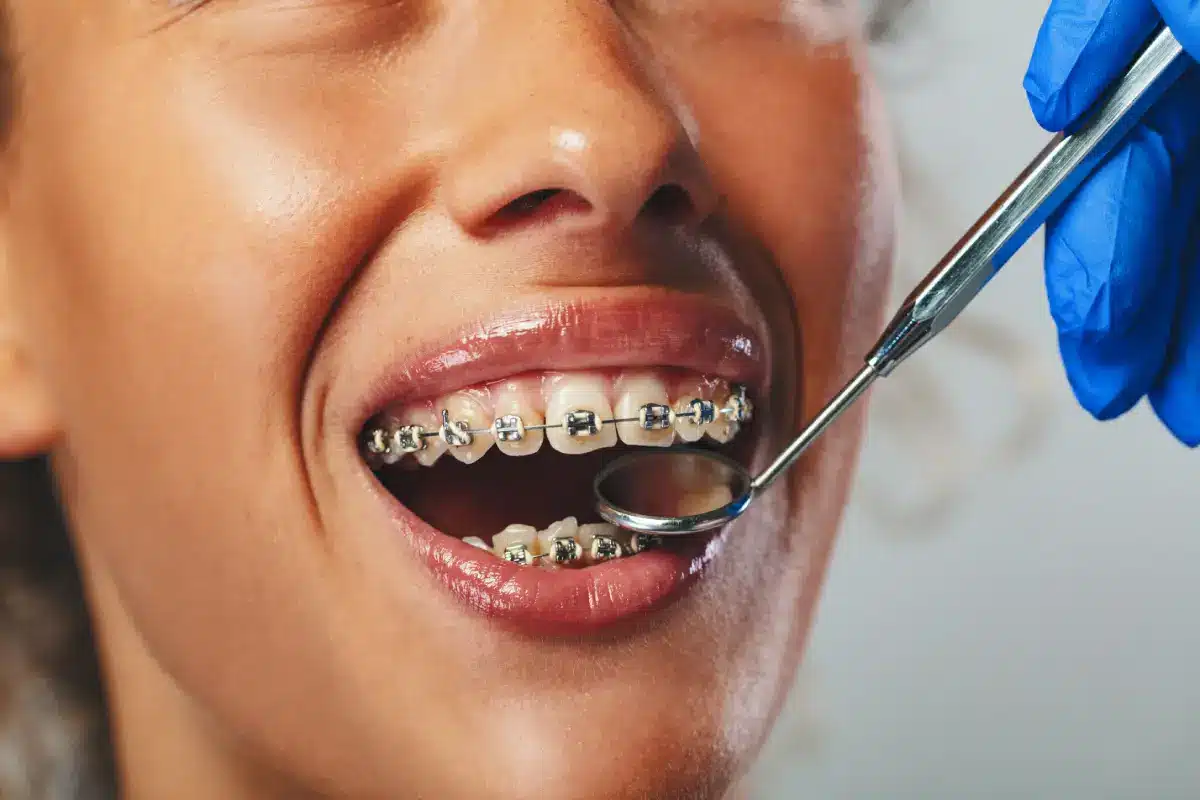
After months without a retainer, you might notice that your teeth do not look quite the same. A small gap may have returned, a front tooth might look slightly crooked, or your old appliance may feel unusually tight. These changes can happen even if you completed orthodontic treatment years ago.
If you stopped wearing your retainer for several months, your teeth may have shifted from their corrected positions. The amount of movement varies from person to person. Some people notice only minor changes, while others experience enough movement that their old appliance no longer fits.
For patients in Prosper, TX, understanding why this happens can help prevent further changes and protect the results of previous orthodontic treatment.
Why Do Teeth Shift When You Stop Wearing a Retainer?
Orthodontic treatment moves teeth into new positions, but the surrounding bone and tissues need time to adapt. Even after treatment ends, the structures supporting your teeth continue to change.
Your teeth also experience everyday pressure from chewing, speaking, and other normal activities. Without consistent retention, these forces can gradually influence their positions.
This movement is commonly called orthodontic relapse. It does not always mean your teeth will return completely to their original positions. However, even a small shift can affect the appearance of your smile or the way your upper and lower teeth meet.
What Changes Might You Notice After Several Months?
The signs depend on how much movement has occurred and which teeth have shifted.
1. Small gaps may reappear
Spaces that orthodontic treatment previously closed can gradually return. You may notice a gap between your front teeth or spaces that were not visible before.
2. Teeth may become crowded
Some teeth may overlap or rotate slightly. Even minor changes can make flossing or cleaning between certain teeth more difficult.
3. Your bite may feel different
When teeth move, their contact with opposing teeth can change. You might notice that your teeth meet differently when you close your mouth or chew.
4. Your old retainer may feel tight
An appliance made to fit your teeth at an earlier stage may no longer match their current positions. It might feel unusually snug, sit unevenly, or refuse to fit completely.
Can You Start Wearing Your Old Retainer Again?
That depends on how much your teeth have moved and whether the appliance still fits properly.
If it feels slightly snug but fits completely without significant pain, contact your orthodontist for advice about whether you should resume wearing it. Do not assume that every tight appliance is safe to use.
If it will not sit fully over your teeth, causes sharp pain, or requires force to insert, stop trying to wear it. Forcing it into place can damage the appliance and may put unwanted pressure on your teeth.
An oral health specialist can examine your teeth, check your bite, and determine whether you need a replacement appliance or additional treatment.
Will You Need Braces Again?
Not necessarily. A few months without retention do not automatically mean you need to repeat your entire orthodontic treatment.
Your orthodontist will consider how far your teeth have moved and whether the changes affect your bite. Depending on the findings, the next step might involve a replacement appliance, limited tooth movement with clear aligners, or a more comprehensive treatment plan.
You can explore the available orthodontic treatment options to understand how different approaches address misaligned teeth and bite concerns.
How Can You Prevent Teeth From Shifting Again?
Consistency matters more than trying to correct missed wear later. Follow the schedule your orthodontist recommends, even after your teeth look straight.
A few habits can help:
- Wear your appliance according to your orthodontist’s instructions.
- Store removable appliances in their protective case when not in use.
- Keep them clean and away from excessive heat.
- Contact your orthodontist if you lose or damage one.
- Attend recommended follow up visits.
If you have questions about your appliance or notice changes in your alignment, the team at Prosper Smile Studio can help you understand where to seek the right care.
Protect the Results of Your Orthodontic Treatment
A few months without consistent retainer wear may seem harmless, but even gradual movement can change your smile. The sooner you address a poor fit or noticeable shifting, the sooner you can understand what needs attention.
At Prosper Smile Studio in Prosper, TX, you can discuss your concerns and explore the appropriate next steps with the dental team. Schedule an appointment to have your teeth and bite evaluated. You can also get directions to Prosper Smile Studio before your visit.
Frequently Asked Questions
1. How quickly can teeth shift without a retainer?
Some movement can occur within days or weeks, particularly soon after orthodontic treatment. The timing and extent vary depending on individual circumstances.
2. Can teeth return to their original positions after several months?
They can move toward their previous positions, but complete relapse does not happen in every case. The amount of movement depends on several factors, including how long you went without wearing the appliance.
3. Should I force my retainer onto my teeth if it feels tight?
No. If it does not fit completely or causes significant discomfort, stop and contact your orthodontist.
4. Can I get a new retainer if my teeth have shifted?
Yes, but a replacement appliance must account for your current tooth positions. If substantial movement has occurred, your orthodontist may recommend correcting the alignment before making a new one.