
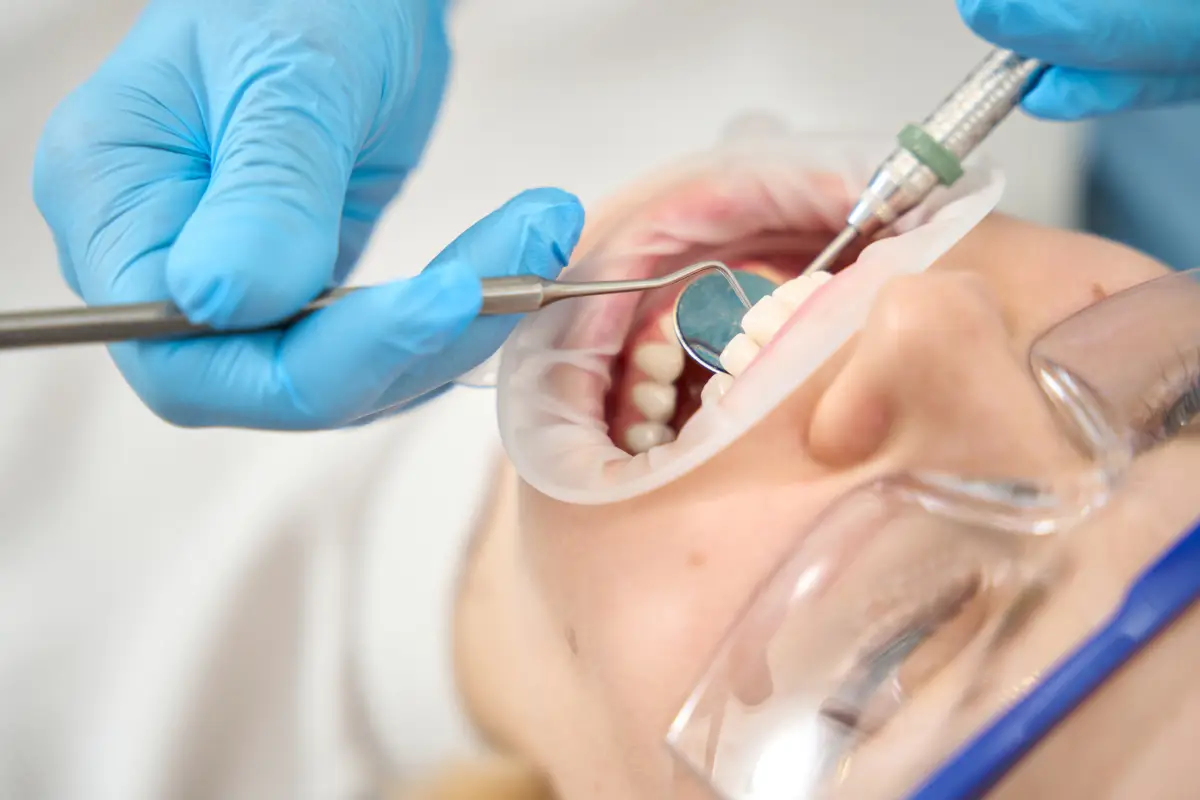
Have you ever wondered, “Why do I keep getting cavities?” If you brush twice a day, floss regularly, and still hear you have another cavity, you’re not alone. Many people assume brushing alone is enough to prevent tooth decay, but that’s not always the case.
Cavities develop when bacteria in your mouth feed on sugars and starches, producing acids that gradually wear away your tooth enamel. Over time, this damage can lead to permanent decay that requires professional treatment. Even people with excellent oral hygiene can get cavities if other risk factors are involved, such as frequent snacking, dry mouth, genetics, or skipping regular dental checkups.
If you live in Prosper, Frisco, Celina, or nearby North Texas communities, understanding these common causes can help you make informed decisions about your oral health and lower your risk of future cavities.
5 Common Reasons You Keep Getting Cavities
1. You’re Missing Areas When Brushing
Brushing twice a day is important, but plaque often builds up between teeth and along the gumline. If these areas aren’t cleaned daily with floss or interdental brushes, bacteria continue producing acids that damage your enamel.
2. You Snack More Than You Realize
Every time you eat or drink something sugary or starchy, bacteria produce acids that attack your teeth. Frequent snacking throughout the day gives your teeth little time to recover, increasing your risk of cavities.
3. Dry Mouth Reduces Natural Protection
Saliva helps wash away food particles and neutralize harmful acids. If you frequently experience dry mouth because of medications, dehydration, or certain health conditions, your risk of tooth decay may increase.
4. Your Teeth May Be Naturally More Vulnerable
Some people are simply more prone to cavities because of genetics, weaker enamel, or the natural balance of bacteria in their mouths. While you can’t change these factors, preventive dental care can make a significant difference.
5. You’re Skipping Regular Dental Checkups
Cavities often begin without pain or visible symptoms. Routine dental exams help identify early signs of decay before they become larger problems that require more extensive treatment.
How to Lower Your Risk of Cavities
Fortunately, preventing cavities often comes down to a few consistent habits.
You can reduce your risk by:
- Brushing twice a day with fluoride toothpaste.
- Flossing every day.
- Drinking more water throughout the day.
- Limiting sugary snacks and drinks.
- Scheduling regular dental checkups and professional cleanings.
Small improvements in your daily routine can have a lasting impact on your oral health.
When Should You See a Dentist?
If you’re still asking why do I keep getting cavities despite brushing and flossing every day, it’s time to schedule a dental exam. Tooth decay doesn’t heal on its own, and waiting too long can lead to larger cavities, tooth pain, or more complex treatment.
You should see a dentist if you:
- Get a new cavity at almost every checkup.
- Have tooth sensitivity to hot, cold, or sweets.
- Notice pain when chewing.
- See dark spots or small holes in a tooth.
- Have an old filling that feels loose or damaged.
Your dentist can identify the underlying cause and recommend a personalized plan to help reduce your risk of future cavities.
If you’re getting cavities more often than expected, routine dental checkups and preventive care can help identify the cause early and reduce your risk of future tooth decay.
Protect Your Smile Before the Next Cavity Starts
Most cavities don’t develop overnight. They begin slowly, often without causing pain, which is why routine dental visits are so important. By combining good oral hygiene with regular professional care, you can catch small problems early and avoid more extensive treatment later.
Whether you’re new to the area or have lived here for years, Prosper Smile Studio proudly cares for patients from Prosper, Frisco, Celina, McKinney, and surrounding North Texas communities.
Planning your visit? You can easily find our clinic on Google Maps before your appointment.
Final Words
If you’ve been wondering, “Why do I keep getting cavities?”, remember that brushing alone isn’t always enough. Your diet, oral hygiene routine, saliva, and overall dental health all play a role in preventing tooth decay.
Making a few simple changes—and keeping up with regular dental checkups—can go a long way toward protecting your smile. If you’re experiencing frequent cavities, a professional evaluation can help identify the cause and create a prevention plan that’s right for you.