
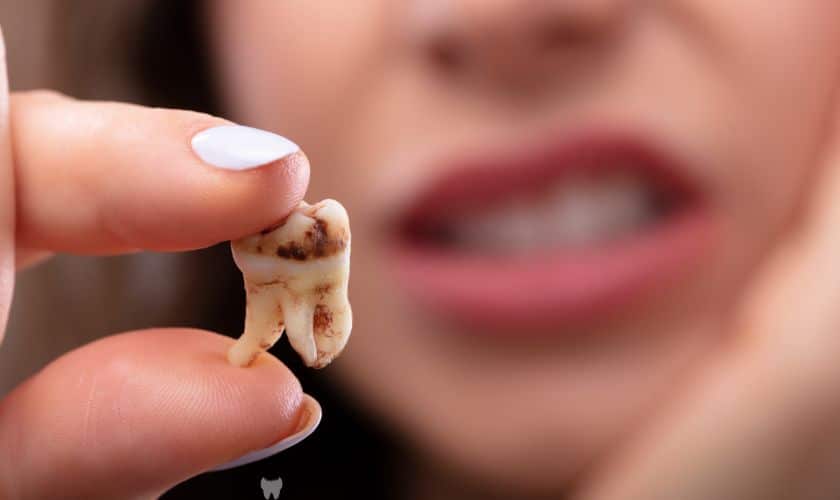
A cracked tooth can be a painful and concerning issue. Whether it’s caused by trauma, biting down on something hard, or underlying dental conditions, a cracked tooth can lead to discomfort, sensitivity, and potentially more severe problems if left untreated. One common question that arises when someone discovers they have a cracked tooth is whether it can heal on its own. In this blog, we’ll explore this question in depth to provide clarity and guidance for anyone facing this situation.
Understanding the Nature of a Cracked Tooth
Before diving into whether a cracked tooth can heal on its own, it’s essential to understand the nature of the problem. A cracked tooth can vary in severity, from minor cracks in the enamel to more significant fractures that extend into the tooth’s root. Common types of cracks include:
- Craze Lines: Superficial cracks that affect only the outer enamel and are typically cosmetic.
- Fractured Cusp: A crack that extends from the chewing surface toward the root but does not affect the pulp.
- Cracked Tooth: A more severe crack that extends vertically through the tooth, potentially reaching the pulp chamber.
The ability of a cracked tooth to heal on its own largely depends on the type and severity of the crack.
Factors Affecting Self-Healing
1. Size and Depth of the Crack:
Small, superficial cracks may have a better chance of self-healing compared to larger, deeper cracks that extend into the tooth’s inner layers.
2. Location of the Crack:
Cracks that are confined to the enamel or outer dentin layer may have a higher likelihood of self-healing, whereas cracks that reach the pulp chamber are less likely to heal on their own.
3. Dental Health and Hygiene:
Good oral hygiene practices, such as regular brushing, flossing, and dental check-ups, can support the tooth’s natural healing processes and prevent further damage.
4. Bite Force and Habits:
Avoiding habits that exert excessive pressure on the teeth, such as clenching, grinding, or biting hard objects, can prevent further propagation of the crack and support healing.
Signs that a Cracked Tooth Needs Professional Treatment
While some minor cracks may heal on their own under the right conditions, it’s essential to recognize when treatment of cracked teeth is necessary. Here are some signs that indicate a cracked tooth requires professional attention:
- Persistent Pain or Discomfort: If you experience persistent pain or discomfort, especially when chewing or biting, it may indicate that the crack has worsened or is affecting the tooth’s nerve.
- Increased Sensitivity: Heightened sensitivity to hot, cold, or sweet foods and beverages can signal that the crack has reached the dentin or pulp layer, where nerves are located.
- Swelling or Gum Inflammation: Swelling or inflammation around the affected tooth may indicate an infection, which can occur if bacteria enter the crack and reach the pulp chamber.
- Changes in Tooth Color or Texture: Discoloration, darkening, or visible changes in the tooth’s texture may indicate underlying damage or decay caused by the crack.
Importance of Professional Treatment
While it’s tempting to hope that a cracked tooth will heal on its own, seeking professional dental treatment is crucial for several reasons:
- Prevention of Further Damage: Professional treatment can prevent the crack from worsening and causing more significant problems, such as infection, abscess, or tooth loss.
- Pain Relief: Dental procedures such as bonding, dental crowns, or root canal therapy can alleviate pain and discomfort associated with a cracked tooth.
- Preservation of Tooth Structure: Prompt treatment can preserve the tooth’s structure and functionality, preventing the need for extraction and potential complications associated with tooth loss.
- Prevention of Infection: Cracks that reach the pulp chamber can expose the tooth’s inner tissues to bacteria, increasing the risk of infection and abscess formation. Root canal therapy can remove infected tissue and prevent further spread of infection.
Conclusion
While minor cracks in the enamel or outer dentin layer may have the potential to heal on their own under optimal conditions, more significant or deeper cracks require professional dental treatment. Seeking prompt attention from a dentist is essential to prevent further damage, alleviate pain, and preserve the affected tooth’s health and functionality. Remember, early intervention is key to successful treatment and long-term oral health. If you suspect you have a cracked tooth, don’t hesitate to schedule an appointment with your dentist for evaluation and appropriate care.