
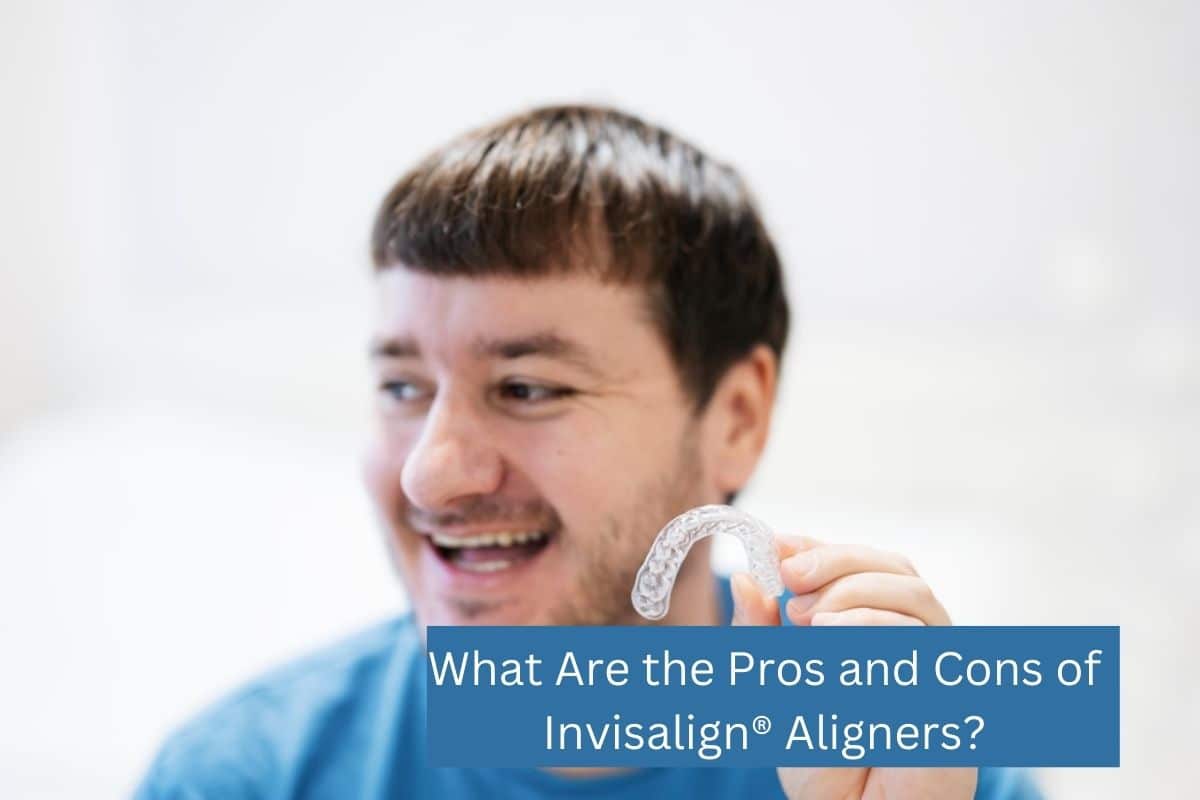
Invisalign® aligners represent a contemporary approach to orthodontic treatment, offering a discreet alternative to traditional metal braces. These clear, custom-made aligners gradually reposition teeth, providing a less conspicuous method for achieving a straightened smile. If you’re considering Invisalign® aligners, it’s essential to weigh the advantages and disadvantages to make an informed decision.
Advantages of Invisalign® Aligners:
Aesthetically Pleasing:
The transparent nature of Invisalign® aligners makes them virtually invisible, appealing to individuals seeking a subtle orthodontic solution.
Enhanced Comfort:
Unlike traditional braces, Invisalign® aligners are fabricated from smooth, biocompatible plastic, minimizing gingival tissues and buccal mucosa irritation.
Removability and Dietary Flexibility:
Invisalign® aligners are removable, allowing for unrestricted dietary intake and facilitating optimal oral hygiene practices.
Unrestricted Food Choices:
The ability to remove the aligners permits the consumption of any food without concern for damaging orthodontic appliances.
Reduced Frequency of Orthodontic Visits:
Invisalign® treatment typically requires fewer in-office appointments compared to traditional braces, offering convenience for patients with busy schedules.
Effective for Mild to Moderate Malocclusions:
Invisalign® aligners are effective in correcting mild to moderate cases of dental misalignment, including crowding and certain bite irregularities.
Disadvantages of Invisalign® Aligners:
Patient Compliance:
Optimal treatment outcomes are contingent upon consistent wear for 20-22 hours per day. Non-compliance can significantly impede progress.
Potential Speech Alterations:
Some individuals may experience a transient lisp during the initial phase of Invisalign® treatment, which typically resolves within a few days.
Auxiliary Attachments:
In certain cases, small, tooth-colored attachments may be required to enhance the effectiveness of the aligners in applying targeted forces.
Oral Hygiene Demands:
Meticulous oral hygiene is imperative, necessitating brushing and flossing after each meal before reinserting the aligners.
Cost Considerations:
Invisalign® treatment generally incurs a higher cost compared to traditional braces. However, some dental insurance plans offer partial coverage.
Determining Candidacy for Invisalign® Aligners:
Individuals seeking a discreet and comfortable orthodontic option, coupled with a commitment to consistent aligner wear, may find Invisalign® aligners suitable. However, patients with severe malocclusions or those seeking a more cost-effective alternative may benefit from traditional braces. A comprehensive evaluation by an orthodontist is essential to determine the most appropriate treatment plan.