
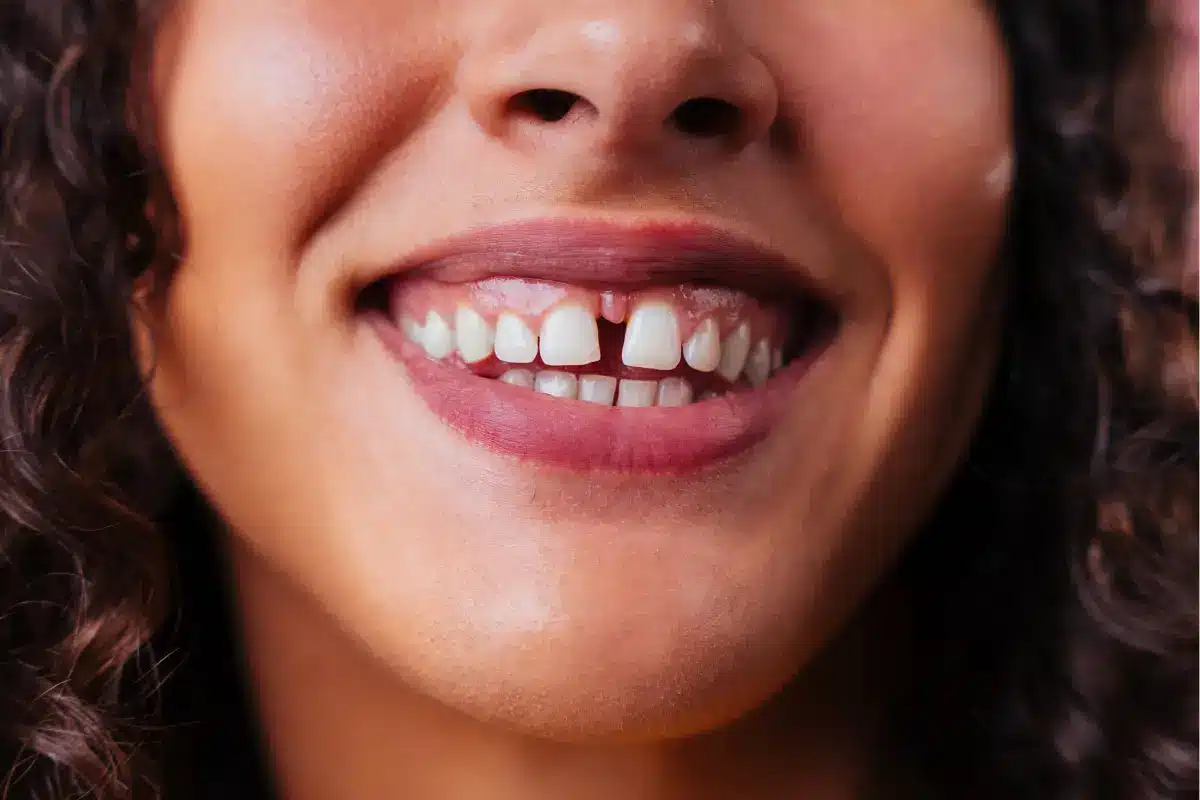
Have you noticed a small space opening up between your two front teeth that wasn’t there before? It’s a change that can happen gradually, and it often leaves people wondering if something’s wrong or if it’s simply a normal part of getting older. A gap between front teeth is actually one of the most common concerns patients bring up, and the good news is that in most cases, there’s a clear explanation behind it. Understanding what’s really going on in your mouth is the first step toward deciding whether treatment is something you want to look into.
Whether the gap appeared recently or you’ve noticed it slowly getting wider over the years, it helps to know that you’re not alone in wondering about it. At Prosper Smile Studio, we talk with patients about this exact issue on a regular basis, and it’s rarely something to panic over. Still, it’s worth understanding the “why” behind it, because the cause often determines the best way to address it. In many cases, early orthodontic care can prevent minor spacing issues from becoming more noticeable over time, making it easier to maintain a healthy, balanced smile.
What Causes a Gap Between Front Teeth?
There isn’t just one single reason teeth start to separate. In many cases, it comes down to a combination of factors working together over time. Here are some of the most common front teeth gap causes:
- Tongue thrusting or thumb sucking habits: Repeated pressure from the tongue pushing against the front teeth, or a lingering thumb-sucking habit from childhood, can gradually push teeth apart.
- Missing or undersized teeth: If a tooth next to the front teeth is missing or smaller than average, there may not be enough structure to keep the front teeth pressed together.
- Gum disease: When the gums and supporting bone weaken due to periodontal disease, teeth can shift and drift, sometimes opening up new spaces.
- Jaw size and tooth size mismatch: Some people simply have a jaw that’s slightly larger than what their teeth need to fill, leaving extra room between them.
- Labial frenum size: The small piece of tissue that connects your upper lip to your gums, known as the labial frenum, can sometimes extend down between the front teeth and hold them apart.
How Aging and Bite Changes Play a Role
Even without any of the causes above, teeth can shift naturally as we age. Bite pressure changes over decades of chewing, grinding, or clenching, and this can slowly nudge teeth out of their original positions. Since teeth spacing tends to change little by little, it’s easy not to notice until the gap has become fairly visible.
Is a Gap Between Teeth Normal, or a Cause for Concern?
A small space between the front teeth isn’t automatically a problem. Plenty of people have a naturally occurring gap that has been there since their adult teeth first came in, and it causes no issues with chewing, speaking, or oral health.
That said, there are a few signs that suggest it’s worth having a dentist take a look:
- The gap has appeared suddenly or is widening quickly
- You notice looseness in the surrounding teeth
- Your gums are swollen, tender, or bleeding
- You’re having trouble biting or chewing comfortably
- The gap is affecting your confidence when you smile
If any of these sound familiar, it’s a good idea to schedule an evaluation rather than waiting to see if it resolves on its own.
What Are the Treatment Options for a Gap Between Front Teeth?
The right orthodontic treatment really depends on what’s causing the gap in the first place. Once the underlying reason is identified, there are several reliable ways to close the space and create a more even smile:
- Braces or clear aligners: These gradually move teeth into a new position, closing the gap over a period of months.
- Dental bonding: A tooth-colored resin is applied to the sides of the front teeth to visually close a smaller gap without moving the teeth themselves.
- Veneers: Thin shells placed over the front of the teeth can also close gaps while improving overall tooth shape and color.
- Frenectomy: If an oversized labial frenum is the cause, a simple procedure to adjust that tissue may be recommended, sometimes alongside orthodontic treatment.
A dentist can walk you through which option makes the most sense based on the size of the gap, your bite, and your long-term goals. If you’re ready to talk through your options, feel free to contact us and we’ll help you figure out the right next step.
Expert Care for Gaps Between Front Teeth in Prosper
A gap between front teeth can happen for many reasons, from childhood habits to natural bite changes over time. Understanding what’s causing the space is the first step toward choosing the right solution. At Prosper Smile Studio, we take the time to evaluate your smile, identify the underlying cause, and recommend a personalized treatment plan that fits your needs and goals. If you’ve noticed a new gap or your existing space is becoming more noticeable, we’re here to help you explore your options. Visit our conveniently located dental office in Prosper to get started on restoring your confident smile.
Frequently Asked Questions
1. What is the most common cause of a gap between front teeth?
Tongue thrusting, undersized or missing teeth, and natural bite changes over time are among the most common front teeth gap causes. In many cases, it’s a combination of a couple of these factors rather than just one.
2. Can a gap between front teeth close on its own?
It’s uncommon for a gap to close without some form of treatment. In fact, gaps caused by gum disease or bite pressure often widen gradually if left unaddressed, so it’s worth having it checked.
3. Is teeth spacing bad for oral health?
Not necessarily. A small, stable gap usually doesn’t cause health issues. However, if the spacing is linked to gum disease or shifting teeth, it can affect your bite and should be evaluated.
4. How long does orthodontic treatment take to close a gap?
This varies by case, but many patients see noticeable changes within several months, with full treatment often completed within a year or so, depending on the size of the gap and the method used.
5. Are dental bonding and veneers permanent solutions for a gap between teeth?
Bonding and veneers are considered long-term solutions, though they aren’t identical to natural teeth movement. Bonding may need occasional touch-ups over the years, while veneers tend to last longer with proper care.