
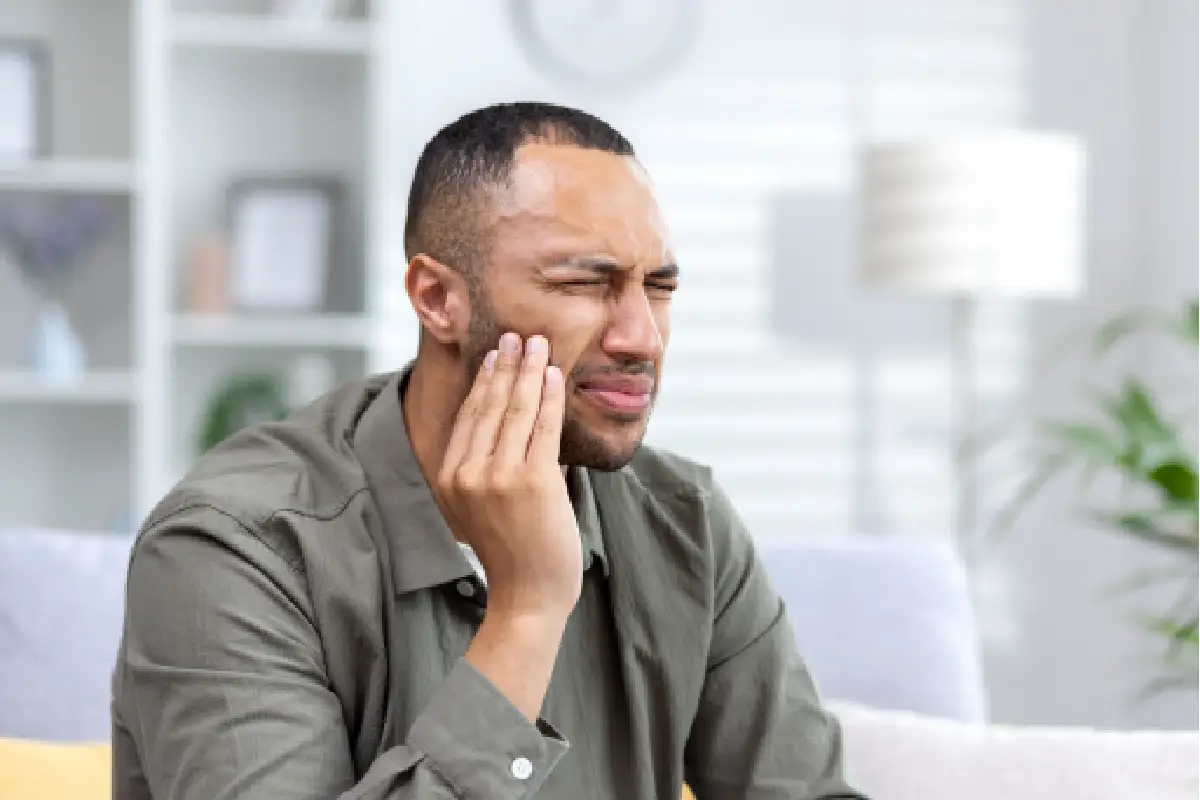
Losing a tooth is supposed to be a childhood milestone, something that happens once, gets celebrated with a visit from the tooth fairy, and never comes up again. So when you’re brushing one day and notice a tooth wiggling slightly under your tongue, it’s normal to feel a jolt of panic. A loose tooth as an adult is never something to shrug off, even if it doesn’t hurt.
The good news is that loose tooth adult causes are usually identifiable, and in many cases, treatable if you catch them early enough. The bad news is that waiting it out rarely makes things better. A tooth that’s starting to shift usually means something underneath it, the bone, the gum tissue, or the ligament holding it in place, has changed, and figuring out why matters more than the wobble itself.
At Prosper Smile Studio, this is a concern Dr. Adrian Bertulfo takes seriously every time it comes up, because a loose tooth is rarely an isolated issue. It’s typically a signal pointing to something happening below the gumline that’s worth understanding before it progresses further.
What Makes an Adult Tooth Start to Feel Wiggly
Unlike baby teeth, permanent teeth are anchored by a network of ligaments and bone that are meant to hold firm for life. When that support system is compromised, movement follows. Here are the most common reasons people ask, “why is my tooth wiggly,” once they’ve ruled out an obvious injury:
Gum disease: This is the leading cause of adult tooth mobility. As gum disease progresses, it breaks down the bone and connective tissue that hold your teeth in place. In its earlier stages, you might notice bleeding gums or bad breath before you ever feel movement. Professional care to keep gum disease under control can help protect the supporting structures around your teeth and reduce the risk of further damage. By the time a tooth feels loose, the disease has usually reached a more advanced stage.
Teeth grinding or clenching: Constant pressure from grinding, especially at night, can gradually loosen a tooth’s grip in the socket, even in someone with otherwise healthy gums.
A recent injury: A blow to the mouth, even a minor one, can loosen a tooth without cracking it. Sometimes the looseness shows up gradually over the following days as swelling develops.
Bone loss: Conditions that reduce bone density, whether from age, certain medications, or untreated gum disease over time, can leave less structure supporting the tooth root.
Hormonal changes: Pregnancy and certain hormonal shifts can temporarily affect the ligaments around the teeth, sometimes causing mild looseness that improves once hormone levels stabilize.
Signs That Point to Something More Serious
A little looseness isn’t always an emergency, but a few signs suggest it’s time to get in sooner rather than later:
- The tooth has become noticeably more mobile over just a few days or weeks
- Your gums are red, swollen, or bleed easily when you brush
- You notice pus, a bad taste, or an unpleasant smell near the tooth
- The tooth feels like it’s shifting position, not just wobbling in place
- There’s pain when you bite down or chew on that side
If any of these apply, it’s worth having it looked at before the underlying cause has a chance to progress.
What Not to Do While You Wait
It can be tempting to wiggle a loose tooth to test how bad it is, but that pressure can actually make things worse. Stick to soft foods on that side, avoid biting directly into anything hard or chewy, and keep up with gentle brushing and flossing rather than skipping the area out of caution.
If you’ve noticed a loose tooth, don’t wait to see if it gets better on its own. Schedule an appointment with our team so we can identify the cause and recommend the right treatment before the problem progresses.
Get It Checked Before It Gets Worse
If you’ve noticed adult tooth mobility that hasn’t improved on its own, contact us at Prosper Smile Studio. The sooner we can see what’s happening beneath the gumline, the more options there usually are for keeping the tooth stable and healthy.
How Periodontal Care Helps Stabilize a Loose Tooth
When gum disease is behind the looseness, ongoing periodontal maintenance is often the most effective way to slow or stop further bone and tissue loss. This typically involves a deeper level of cleaning below the gumline than a standard checkup provides, removing the bacteria and buildup that are breaking down the support structure around your teeth. For many patients, staying consistent with periodontal maintenance is what keeps a wobbly tooth from progressing to something that can’t be saved.
Keeping Every Tooth Where It Belongs at Prosper Smile Studio
A loose tooth as an adult can feel alarming, but it’s also one of those symptoms that responds well to early attention. Whether it turns out to be gum disease, grinding, or something else entirely, understanding the cause is the first step toward keeping your tooth stable for the long run.
If you’re in Prosper, TX and have noticed a tooth that isn’t as steady as it used to be, visit our dental office and let Dr. Adrian Bertulfo and the team at Prosper Smile Studio help you get to the bottom of it.
FAQs
Is it normal for an adult tooth to feel loose?
No. Permanent teeth shouldn’t move or wiggle. Even slight looseness usually indicates an underlying issue such as gum disease, an injury, or excessive teeth grinding, and should be evaluated by a dentist.
Can a loose tooth become firm again?
Sometimes. If the looseness is caused by temporary inflammation or teeth grinding, treatment may help stabilize the tooth. When bone loss or advanced gum disease is involved, early care is important to prevent further movement.
Does a loose tooth always mean gum disease?
No. Although gum disease is the most common cause of a loose adult tooth, injuries, teeth grinding, hormonal changes, and reduced bone support can also contribute. A dental examination can determine the exact cause.
Can a loose adult tooth be saved?
In many cases, yes. When the underlying problem is treated early, procedures such as periodontal maintenance and other therapies may help preserve the tooth and prevent additional bone loss.
When should I see a dentist for a loose tooth?
You should schedule an appointment as soon as you notice a loose permanent tooth. Early diagnosis and treatment often provide the best chance of stabilizing the tooth and preventing further damage.