
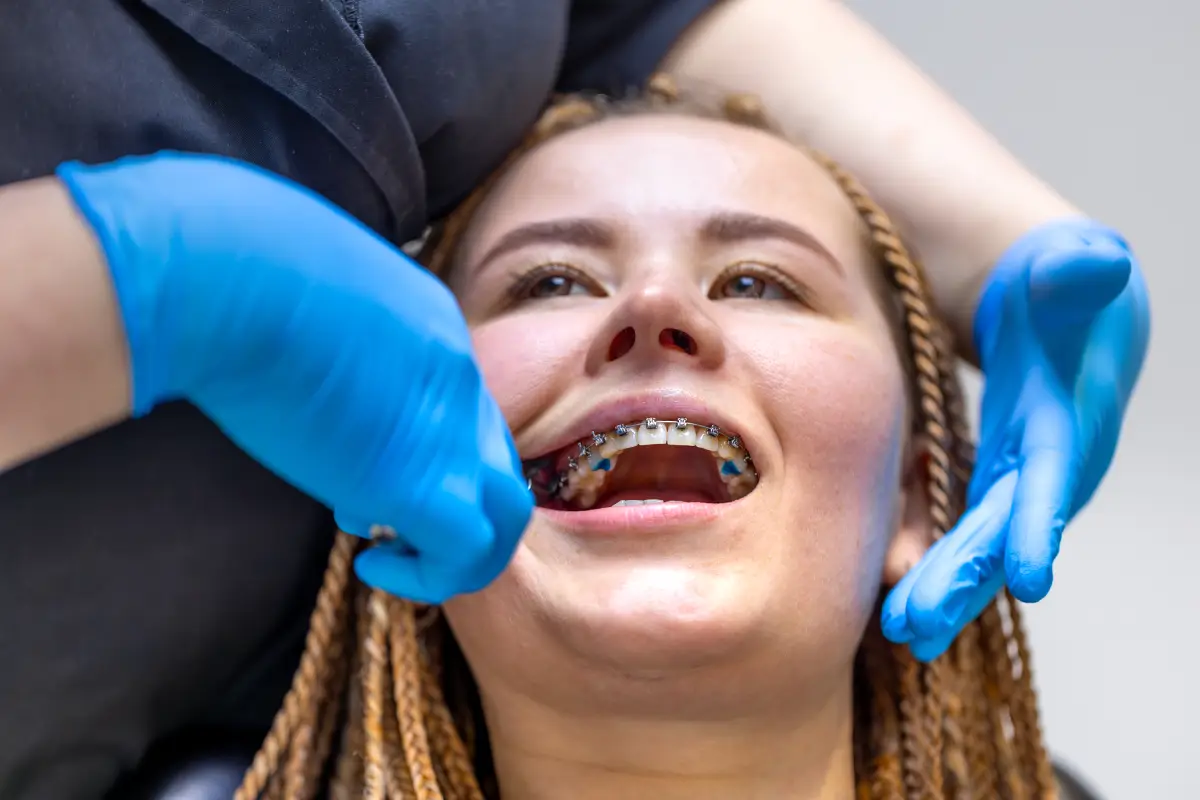
You finally finished orthodontic treatment years ago, enjoyed a straight smile, and thought that chapter of your life was over. Then one day, you notice your front teeth don’t look quite as straight as they used to. If you’ve been wondering, can teeth shift years after braces, you’re not alone.
Many adults in Prosper and nearby communities like Frisco, Celina, and McKinney are surprised to discover that teeth can gradually move over time—even after successful orthodontic treatment. The good news is that this is a common concern, and there are effective ways to address it before the shifting becomes more noticeable.
Why Do Teeth Move After Braces?
Braces and clear aligners move teeth into healthier positions, but they don’t permanently lock them in place. Your teeth are supported by bone, ligaments, and surrounding tissues that continue to change throughout your life.
Several natural factors can influence tooth movement, including aging, daily bite pressure, and changes in your jaw. That’s why orthodontists typically recommend wearing retainers even after treatment is complete.
Without proper retention, teeth may slowly drift from their original position over months or even years.
Common Signs Your Teeth Are Shifting
The changes are usually gradual, making them easy to overlook at first.
You might notice:
- Small gaps appearing between teeth
- Front teeth beginning to overlap
- Crowded lower teeth
- Your retainer no longer fits comfortably
- Changes in the way your bite feels
- Difficulty flossing areas that were once easy to clean
If you’ve noticed any of these changes, it’s a good idea to have them evaluated before the movement progresses.
What Causes Adult Teeth to Shift?
Several factors contribute to adult teeth shifting.
Not Wearing Your Retainer
This is the most common reason.
Retainers help stabilize teeth while the surrounding tissues adapt to their new positions. Once retainers are no longer worn as instructed, teeth can gradually begin moving again.
Natural Aging
As we age, our jaw and facial structures naturally change. Even people who never had braces may experience mild crowding, especially in the lower front teeth.
Teeth Grinding
Grinding or clenching your teeth places repeated pressure on your bite. Over time, this force may contribute to unwanted tooth movement while also increasing tooth wear.
Tooth Loss
Missing teeth create extra space in your mouth. Neighboring teeth may begin drifting into the empty area, affecting your overall bite alignment.
Gum Disease
Healthy gums help support your teeth. When gum disease weakens the supporting tissues, teeth may become loose and shift more easily.
Can Shifting Teeth Affect Your Oral Health?
Many people think shifting teeth are simply a cosmetic concern, but they can also affect your oral health.
Crooked or crowded teeth may:
- Be more difficult to brush and floss
- Increase plaque buildup
- Raise the risk of cavities
- Contribute to gum inflammation
- Cause uneven wear on certain teeth
- Affect how your upper and lower teeth come together
Addressing minor alignment changes early is often easier than waiting until the movement becomes more significant.
How to Prevent Further Tooth Movement
Although some natural changes are unavoidable, there are several ways to help keep your smile aligned.
Wear Your Retainer
If your orthodontist recommended nighttime retainer use, continue following those instructions. If your retainer is damaged or no longer fits, don’t ignore it.
Keep Up With Dental Checkups
Routine dental visits allow your dentist to monitor subtle changes in your bite before they become larger problems.
Protect Your Teeth From Grinding
If you grind your teeth during sleep, your dentist may recommend a custom nightguard to reduce excessive pressure.
Replace Missing Teeth Promptly
Leaving a missing tooth untreated allows neighboring teeth to shift into the open space. Replacing missing teeth helps maintain proper alignment.
When Is It Time to Consider Treatment?
Not everyone whose teeth have shifted needs comprehensive orthodontic treatment again.
However, if you notice increasing crowding, visible changes in your smile, or bite discomfort, it’s worth scheduling an evaluation.
For many adults, modern clear aligner treatment can gently correct mild to moderate tooth movement while fitting comfortably into busy professional and family lifestyles.
If you’re considering options, learn more about our Invisalign treatment and how it can help restore your smile without traditional braces.
A Local Approach to Your Smile
As Prosper continues to grow, many adults balancing careers, family responsibilities, and community activities are looking for convenient ways to maintain their oral health. Whether you’ve recently noticed your teeth shifting or simply want peace of mind, having your smile evaluated early can make treatment simpler.
If you’re visiting us for the first time, you can easily find Prosper Smile Studio on Google Maps before your appointment.
Final Thoughts
Seeing your teeth shift years after braces can be frustrating, but it’s also a common experience. Changes in your bite don’t necessarily mean something is wrong—they simply mean it’s time to have your smile evaluated.
The earlier shifting is identified, the more treatment options you may have. Regular dental visits and appropriate follow-up care can help protect the investment you’ve already made in your smile.
If you’ve noticed changes in your teeth or bite, the team at Prosper Smile Studio is here to help you understand your options and recommend a personalized solution based on your needs.