
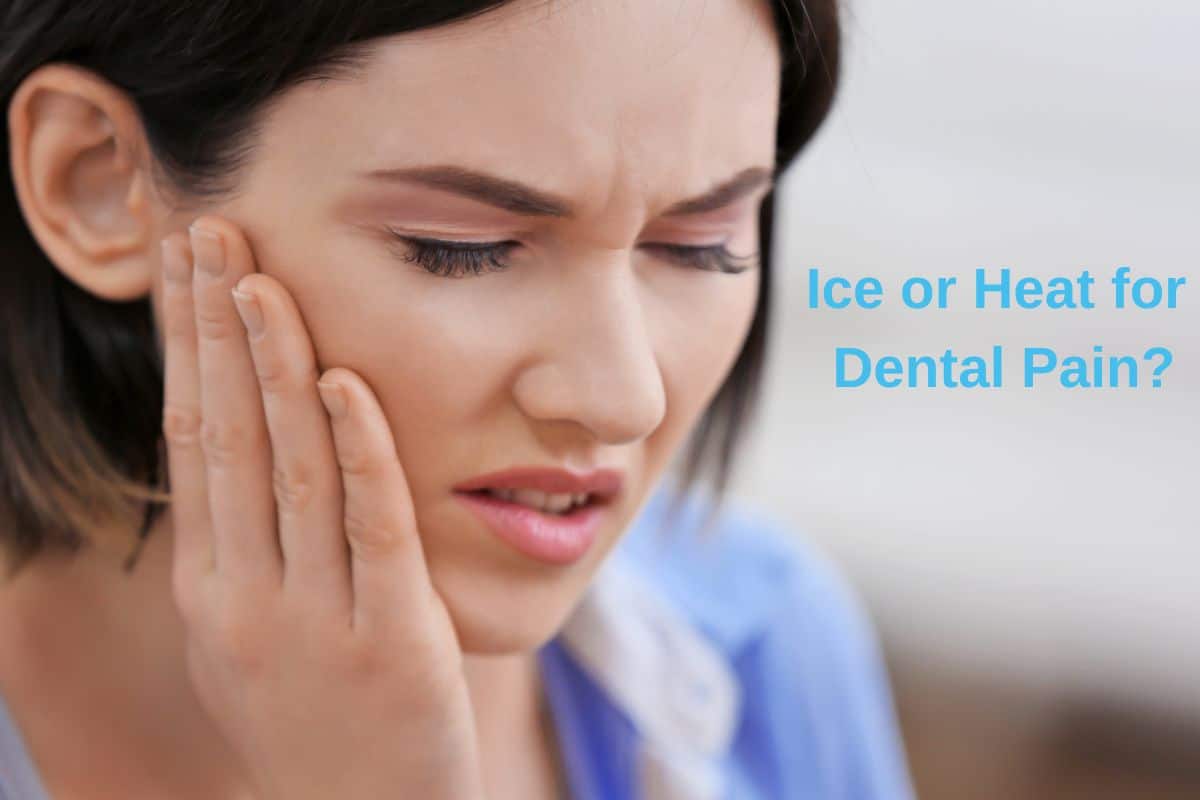
Experiencing dental pain can be distressing, and knowing how to manage that discomfort is essential. One common dilemma people face is whether to apply ice or heat for relief. Both methods can be effective, but understanding when to use each can significantly impact your comfort and recovery. Here’s a guide to help you decide.
When to Use Ice
Ice is often the go-to choice for dental pain, especially in the initial stages. Here are some situations where ice is beneficial:
- Swelling and Inflammation: If you’re dealing with swelling from a tooth extraction or other dental procedures, applying ice can reduce inflammation. The cold constricts blood vessels, which helps minimize swelling.
- Acute Pain: For sharp, sudden pain, ice can provide numbing relief. It’s particularly effective for pain related to dental trauma or injuries.
- Post-Procedure Care: After dental surgeries, using an ice pack on the cheek can alleviate discomfort and reduce swelling. Remember to wrap the ice pack in a cloth to protect your skin.
To use ice effectively, apply it for 15-20 minutes at a time, allowing breaks in between to prevent frostbite.
When to Use Heat
Heat can be just as effective for dental pain, especially in certain situations. Here’s when to consider using heat:
- Muscle Tension: If your dental pain is related to muscle tension or jaw clenching, heat can help relax the muscles. A warm compress applied to the jaw can relieve discomfort and promote relaxation.
- Chronic Pain: For ongoing issues like temporomandibular joint (TMJ) disorder, heat therapy can soothe discomfort and improve blood circulation, aiding in the healing process.
- Pre-Procedure Comfort: Applying heat before a dental visit can help relax tense muscles, making it easier for your dentist to work.
Similar to ice, heat should be applied for 15-20 minutes, ensuring that it’s warm, not hot, to avoid burns.
Tips for Choosing Ice or Heat
- Assess Your Symptoms: If you’re experiencing swelling or acute pain, ice is typically the better option. For muscle tension or chronic pain, heat may be more effective. However, if you notice discomfort specifically when chewing or applying pressure, it may indicate an underlying dental issue rather than simple inflammation. Understanding why your tooth hurts when you bite down can help you determine whether home remedies like ice or heat are appropriate or if professional evaluation is needed.
- Monitor Your Response: Pay attention to how your body reacts to each method. If one doesn’t provide relief within 15-20 minutes, switch to the other.
- Emergency Situations: If you experience severe pain, swelling, or bleeding, seek immediate help. An emergency dentist in Prosper can offer timely interventions to address your concerns.
Conclusion
Deciding between ice and heat for dental pain doesn’t have to be complicated. By understanding your symptoms and when to apply each treatment, you can effectively manage discomfort and promote healing. If your dental pain persists or worsens, it’s essential to consult a professional. A dentist can provide a thorough evaluation and recommend appropriate treatments tailored to your condition. Always consult with a dental professional if you have questions or if your pain persists. Remember, taking proactive steps can lead to a more comfortable recovery and a healthier smile.