
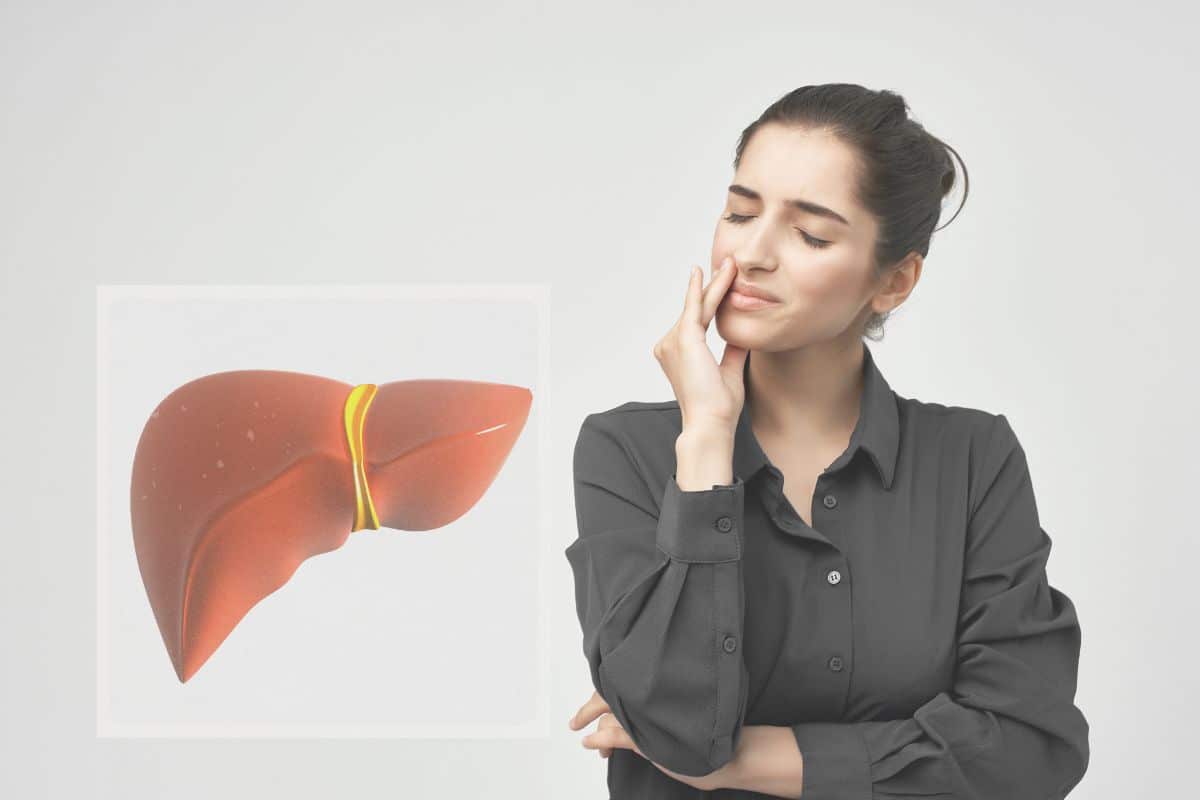
When you think of liver disease, dental health might not be the first thing that comes to mind. However, our organs are interconnected in ways we might not expect, and the liver plays a crucial role in maintaining overall health, including the health of your mouth and teeth. Let’s explore how liver disease can impact your oral health, why it’s important to understand the connection, and what steps you can take to protect your smile.
Understanding the Link Between Liver and Oral Health
The liver is a vital organ with over 500 functions, including filtering toxins, regulating blood clotting, and producing bile to aid digestion. When liver function is compromised due to disease—such as hepatitis, cirrhosis, or fatty liver disease—it can trigger a cascade of health issues. These effects can extend to the mouth, resulting in conditions that affect teeth, gums, and the overall oral environment.
How Liver Disease Can Affect Your Teeth and Gums
- Increased Risk of Gum Disease
Liver disease can suppress the immune system, reducing the body’s ability to fight off infections, including gum disease. A weakened immune response makes it easier for bacteria to grow in the mouth, leading to gingivitis and periodontitis, which can eventually damage the gums and bones that support your teeth. - Dry Mouth and Tooth Decay
People with liver disease may experience dry mouth, either as a direct result of liver dysfunction or as a side effect of medication. Saliva plays an essential role in washing away food particles and neutralizing acids. Without sufficient saliva, the risk of tooth decay and cavities increases significantly. - Bleeding Gums
One of the liver’s key roles is to produce proteins necessary for blood clotting. Liver disease can reduce clotting ability, causing bleeding gums. This can make routine brushing and flossing challenging and may increase the risk of infection in the gums. - Bad Breath and Oral Infections
A poorly functioning liver may not effectively filter toxins, which can lead to a buildup of ammonia in the blood, causing a distinct bad breath known as “fetor hepaticus.” Liver disease can also increase susceptibility to oral infections like candidiasis (oral thrush), a fungal infection that affects the soft tissues in the mouth. - Soft Tissue Changes in the Mouth
In some cases, liver disease can cause changes in the oral soft tissues, such as the tongue, cheeks, and gums, leading to discoloration, sores, or a condition known as “jaundiced mouth,” where a yellowish tint appears on the mucous membranes.
Why Oral Health Monitoring Is Important for Liver Disease Patients
Maintaining oral health is crucial for everyone, but it becomes even more essential for those with liver disease. Poor oral health can worsen liver disease symptoms due to bacteria and toxins entering the bloodstream through infected gums, placing additional strain on an already compromised liver. Regular dental visits and good oral hygiene practices can help reduce these risks and improve quality of life.
Tips for Protecting Your Teeth and Gums with Liver Disease
- Follow a Consistent Oral Hygiene Routine
Brush twice daily with fluoride toothpaste and floss daily to remove plaque and bacteria. Using an antibacterial mouthwash can also help reduce the bacterial load in the mouth. - Stay Hydrated
Combat dry mouth by drinking plenty of water throughout the day. Sugar-free gum or lozenges can also help stimulate saliva production. - Use Soft Dental Products
Opt for a soft-bristled toothbrush to avoid irritating your gums and use dental products designed for sensitive teeth if needed. - Limit Sugary Foods and Beverages
Since dry mouth and high bacterial levels are common with liver disease, it’s wise to avoid sugary foods and acidic beverages that can promote tooth decay. - Visit Your Dentist Regularly
Routine dental exams and cleanings allow your professional dentist to monitor your oral health and catch any early signs of gum disease, tooth decay, or infection before they worsen. Be sure to inform your dentist about your liver condition, as they may adjust treatment plans or suggest specific oral care strategies.
Conclusion
Liver disease can impact your body in many ways, and dental health is no exception. Understanding the connection and taking proactive steps to maintain oral hygiene can protect your teeth and gums, even while managing liver-related challenges. Regular dental check-ups, along with proper hydration and good oral care practices, can go a long way in supporting both your oral health and your overall well-being.